Free Python Tutorial – Python PIL / Pillow Module for Image Manipulation
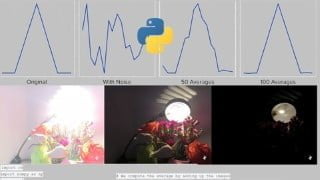

Learn image processing in Python with the Pillow project, a powerful and updated alternative to the outdated Python Imaging Library (PIL). This course is perfect for beginners in Python, offering a drop-in replacement for PIL that also supports Python 3. Discover the differences between PIL and Pillow through their documentation, ensuring you stay up to date with the latest features and improvements. Enhance your Python skills and explore the world of image processing with this comprehensive course.
The Python Imaging Library or PIL allowed you to do image processing in Python. However, PIL’s last release was way back in 2009 and the blog also stopped getting updated. Fortunately, there were some other Python folks that came along and forked PIL and called their project pillow. The pillow project is a drop-in replacement for PIL that also supports Python 3, something PIL never got around to doing.
Please note that you cannot have both PIL and pillow installed at the same time. There are some warnings in their documentation that list some differences between PIL and pillow that get updated from time to time, so I’m just going to direct you there instead of repeating them here since they will likely become out of date.
Who this course is for:
- Beginner in Python
User Reviews
Be the first to review “Free Python Tutorial – Python PIL / Pillow Module for Image Manipulation”
You must be logged in to post a review.



There are no reviews yet.