
Configuring a Multi-layer Switch for Campus Design
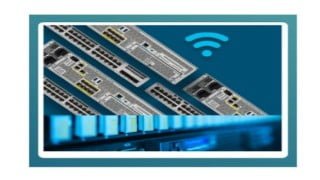

Learn basic configuration on a Cisco 3650 multi-layer switch. Perfect for beginner and intermediate level network engineers seeking job opportunities.
What you’ll learn
- Initial Configuration of a Multi-layer Switch
- VLANs and SVIs
- Static Routes
- Basic OSPF Configuration
- Trunking
- VTP
In this lesson, we will learn basic configuration on a Cisco 3650 multi-layer switch. Using packet tracer, students will get an idea of what a Cisco 3650 switch physically looks like. They will understand how to power it on after receiving a switch straight out of the box. We will start with inserting the power supplies and SFPs. Then we will go through the boot process. From here, we will cover three configuration modes using show commands. Before connecting our sites, we will secure access to our switch locally and remotely. This will include lessons on insecure and secure passwords, and telnet and ssh. Once we have secured our switch, we will move on to creating vlans and configuring access ports. We will assign ip addresses and look at our arp table. SVIs will be created and tested. This is just for one site. Once we have finalized our SVIs, we will talk about routing. We will use two options to connect our sites: static and dynamic routes. We will create static routes first, take a look in the routing table, ping a few things and then remove the static routes. For dynamic routing, we will use a basic OSPF configuration. The use of loopback interfaces is introduced as well as the interface level command. After OSPF configuration is complete, we will go through the routing table, ping and use several OSPF show commands, and then move on to some VLAN trunking. We will configure a trunk port and talk about our native vlan. We will experiment with VTP modes. This course is perfect for anyone looking to get a job as a network engineer configuring Cisco switches and routers.
Who this course is for:
- Beginner and Intermediate level Network Engineers. Expert level Network Engineers are welcomed.
- Individuals looking for a job as a Network Engineer.
User Reviews
Be the first to review “Configuring a Multi-layer Switch for Campus Design”
You must be logged in to post a review.



There are no reviews yet.