
Music Theory Classroom: Fundamentals of Melody and Harmony 3
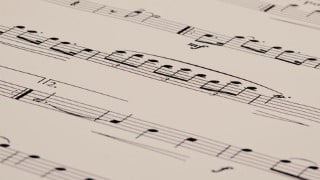

Learn music theory with Music Theory Classroom, a comprehensive curriculum designed for high school and homeschool students. Covering the material studied in the first years of college, this course offers 28 lessons in melody and harmony fundamentals. Perfect for aspiring musicians and those interested in studying music at a higher level. Start your musical journey today! Visit MusicTheoryClassroom.com for more information.
What you’ll learn
- Music theory for homeschool students, high-school musicians, or anyone!
- Octave identification
- Octave transposition and octave-transposing clefs
- C clefs (alto and tenor)
- Modes
- Pentatonic and blues scales
- Whole-tone and octatonic scales
- Extended tertian chords
Music Theory Classroom is a four-course, one- to two-year music theory curriculum designed for high-school and homeschool students. It covers the material studied by music majors in the first one to two years of college, but it is structured so that a diligent student can complete it in three 14-week terms.
The four courses in the curriculum include: two Fundamentals courses which are intended to be taken concurrently, followed by Diatonic Harmony and then Chromatic Harmony. Each course has 28 lessons, so the recommended pace is approximately two lessons per week (when taking the Fundamentals courses, this means two lessons from each of the two courses). Students should feel free to move more slowly if the material is completely new.
This is Part 3 of the Fundamentals of Melody and Harmony course. It assumes that you can already read music in treble and bass clefs and know scales, intervals and chords, as described above.
Students who have not yet mastered intervals and chords should start with Part 2. Students who have not yet mastered key signatures and scales should start with Part 1.
Note: Some lesson numbers appear out of order. Even though they’re distributed across the three parts of the course, the lessons are numbered in the suggested order.
Fundamentals of Melody and Harmony contains 28 lessons in three parts. All three parts interlock. Part 1 (lessons 1-4, 8-9, 11-14) includes the basics of reading pitches on the staff in treble and bass clefs, including key signatures and major and minor scales. Part 2 (lessons 5, 15-18, 20-21, 23-24, 26-27) covers the rest of the theory fundamentals needed to prepare students for Diatonic Harmony: intervals, triads and seventh chords. Part 3 (lessons 6-7, 10, 19, 22, 25, 28) includes topics that are part of a complete fundamentals course, but may not have been learned by students who already know the material in Parts 1 and 2. These include octave-transposing clefs, C clefs, modes and some other scales, and extended tertian chords.
For a more complete description of the curriculum, check the MusicTheoryClassroom dot com website.
Who this course is for:
- High school students (including homeschoolers) who are interested in studying music at the college level
- Anyone who is interested in learning music theory
User Reviews
Be the first to review “Music Theory Classroom: Fundamentals of Melody and Harmony 3”
You must be logged in to post a review.



There are no reviews yet.