
Fundamentals of Maritime Logistics
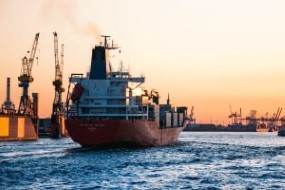

Study intermodal and multimodal transportation, Incoterms, supply chain principles, chartering agreements, break bulk cargo and more in this free course.
Learn about the differences between intermodal and multimodal transportation, as well as the fundamental shipping markets, in this free course on maritime logistics. You will study the different aspects of shipping operations in logistics, as well as some chartering agreements. The course also covers Incoterms (International Commercial Terms), a set of internationally recognized rules that define the responsibilities of sellers and buyers.
What You Will Learn In This Free Course
World Trade Patterns
In this module, you will be introduced to world trade patterns and how they affect global trading, as well as the basic functions of multilateral trading systems. You will also be introduced to the preconditions of trading, as well as the major drivers of the trading industry.
International Trade and Multi-Modal Transportation
In this module, you will be introduced to the differences between intermodal and multimodal transportation, as well as the fundamental shipping markets. You will also be introduced to the different stakeholders in cargo movement, as well as the roles of different cargo interests.
Risks involved in the Export of Goods
In this module, you will be introduced to the different risks involved in the export of goods, as well as the roles of the International Commercial Terms (INCOTERMS). You will also be introduced to the categories of INCOTERMS, as well as the main methods of payment.
Supply Chain
In this module, you will be introduced to the concept of the supply chain, as well as supply chain management principles. You will also be introduced to the integration of maritime transport and maritime logistics, as well as the different perspectives of supply chain management.
Intermodal and Multimodal Transportation
In this module, you will be introduced to the difference between intermodal and multimodal transport, as well as factors that influence supply chain operations. You will also be introduced to planning in breakbulk shipping transit, as well as the economic regulation of liner shipping.
Ship Types
In this module, you will be introduced to why ships are important in transportation, as well as the basics for the general cargo vessel. You will also be introduced to the intact stability criteria for a general cargo vessel, as well as the cargo-carrying capacity of a general cargo vessel.
Ship Operation
In this module, you will be introduced to different aspects of ship operations in carrying maritime logistic processes, as well as catering agreements. You will also be introduced to the different classifications of the charter, as well as the concept of voyage catering and registration processes for ships.
Layers of Logistics and Value-Added Services
In this module, you will be introduced to the maritime chain of transportation, as well as the various segments of the shipping market. You will also be introduced to the roles of the shipping company or carrier, as well as the main assets of the freight forwarder.
Ports and Terminals
In this module, you will be introduced to the importance of ports and terminals, as well as the complexity of port operations. You will also be introduced to the different classifications of ports and terminals, as well as the various differences between ports and terminals.
Diploma in Maritime Logistics – First Assessment
You need to score 80% or more to pass.; Module
Logistics of Breakbulk Cargo
In this module, you will be introduced to the characteristics of the breakbulk cargo, as well as how to develop a proper stowage plan. You will also be introduced to the actions of the actions by the shipper when securing cargo, as well as ventilation in cargo transportation.
Petroleum Logistics
In this module, you will be introduced to the functions of petroleum logistics, as well as the importance of the supply chain in the oil industry. You will also be introduced to the four types of shipping terms regulated by INCOTERMS, as well as choke points in oil transportation.
Loading and Discharging Operations
In this module, you will be introduced to the loading and discharging operations in shipping, as well as the information that is exchanged in the pre-arrival checklist. You will also be introduced to the metrics of cargo measurements, as well as how temperature and volume values are corrected.
Container Shipping and Systems
In this module, you will be introduced to container systems as an essential part of maritime logistics, as well as the process of containerization. You will also be introduced to the compatibility characteristics for different types of cargo, as well as the different types of containers.
Liner Operations
In this module, you will be introduced to the importance of liner services, as well as the different types of liner ships used in shipping. You will also be introduced to some liner service strategies and how they are applied, as well as the multi-trade strategies used in shipping today.
Documentation
In this module, you will be introduced to the importance of cargo documentation, as well as the concepts of export and import cargo documentation. You will also be introduced to the different types of document, as well as the agencies mandated by the IMO.
Information Management
In this module, you will be introduced to the application of ICT in supply chain management, as well as the importance of information management. You will also be introduced to the facets of Electronic data interchange (EDI), as well as the operations of the Extensible Markup Language (XML).
Digitalization in Maritime Logistics
In this module, you will be introduced to how digitalization influences maritime logistics, as well as how technologies are applicable to supply chain management. You will also be introduced to how IIOT helps to optimize the supply chain and the application of big data analytics.
Maritime Security
In this module, you will be introduced to a historical perspective on the importance of maritime security, as well as the threats to the maritime transportation industry. You will also be introduced to the interaction of a vessel with other modes of transport and the relevance of the ISPS Code.
Diploma in Maritime Logistics – Second Assessment
You need to score 80% or more to pass.; Module
Course assessment
User Reviews
Be the first to review “Fundamentals of Maritime Logistics”
You must be logged in to post a review.





There are no reviews yet.