
Luminous Flowers in Acrylic
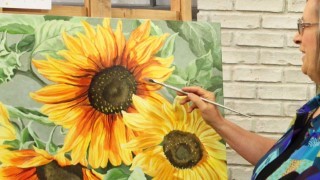

Create remarkably radiant flowers in acrylic with essential color mixing and application techniques. Paint delicate petals, realistic shadows and vibrant highlights.
Class Preview
Create remarkably radiant flowers in acrylic with essential color mixing and application techniques. Paint delicate petals, realistic shadows and vibrant highlights.
Lighting & Line Drawing
Meet your instructor: artist and author Lexi Sundell. Lexi begins by showing you a series of poppy photos. She explains how subtle differences in the lighting, shadows and angle of each photo can greatly affect the overall composition. Next, Lexi demonstrates the interesting effects you can achieve using angled light to create dynamic shadows and highlights on flowers. In addition, you’ll learn Lexi’s foolproof technique for transferring your drawing to your canvas with a grid.
Color & Value
Lexi walks you through her own color wheel that she finds instrumental for creating luminous colors in her flower paintings. She also shares her tips and techniques for picking the right paint colors, keeping a Sta-Wet palette in good working condition, and creating varied strokes using flat and round brushes. Next, you’ll gain in-depth knowledge on the attributes of color: value, hue and chroma. Lexi also walks you through the process of creating an underpainting using shadows and color value to define the shape and structure of your subject matter: a blue anemone or a flower of your choice.
Luminous Layers
After completing your underpainting, Lexi shows you how to use layers of gel and paint to incrementally create texture and luminosity in your painting. Refine shadows with different shades of blue and purples and learn how to make small refinements in your painting to achieve a big impact. In addition, Lexi explains how to add in highlights and subtle details to bring your painting to life.
Mixing & Applying Complements
Build on the skills from previous lessons by learning how to create a painting with two reference photos. Lexi explains how she achieved her striking poppy painting by pulling its shape from one photo and the color palette from another. You’ll also get step-by-step instructions on how to mix complementary colors to create the shadowed areas of the poppy. Plus, Lexi illustrates how pairing complementary colors next to each other makes them appear brighter, adding to the luminosity of any painting.
Vibrant, Glowing Colors
Continue working on the poppy painting you started in Lesson 4. Lexi shares her quick and easy method for determining if a paint is transparent in order to create vibrant and radiant shadows. She also demonstrates how to create luminous shadowed areas by playing with hue, value and chroma. In addition, you’ll see Lexi’s process of continuously adding in more layers of color and adjustments to achieve a lustrous, glowing effect.
Lustrous Yellow Shadows
Advance your color mixing skills by focusing on the color yellow. Using a vibrant sunflower painting as an example, Lexi addresses the challenges of painting shadows that appear radiant, rather than bland. You’ll discover her time-tested technique for mixing and applying complementary colors, and additional pigments, to create luminous shadows. Plus, sharpen your observation skills by learning how to paint the subtleties of a scene.
Natural Greens
Finish working on the sunflower painting started in the previous lesson by concentrating on the painting’s wide range of greens. Lexi begins by demonstrating the different color palettes of green you can create when you know how to mix colors correctly. Next, Lexi demonstrates how to use complements to adjust the chroma of greens and how other pigment combinations can create a natural range of greens. In addition, you’ll learn Lexi’s tricks for painting realistic shadows.
User Reviews
Be the first to review “Luminous Flowers in Acrylic”
You must be logged in to post a review.





There are no reviews yet.