
Technology in Transportation
Course facts
- Payment: Free, no certificate
- Credits: Non Credit
- Learning style: Self-paced, start anytime
- Resources: Exam Solutions; Exams; Problem Set Solutions; Problem Sets
MIT OpenCourseWare details
- As taught in: Spring 2011
- Department: Aeronautics and Astronautics

| Course Details | ||||||
|---|---|---|---|---|---|---|
|
||||||
| Outcomes | ||||||
|
||||||
| Price & Terms | ||||||
|
||||||
| Technical | ||||||
|
||||||
| Specification | ||||||
|
||||||

Transportation technology across modes: engines, road vehicles, electric and hybrid powertrains, rail, ships, aircraft, radar and navigation.
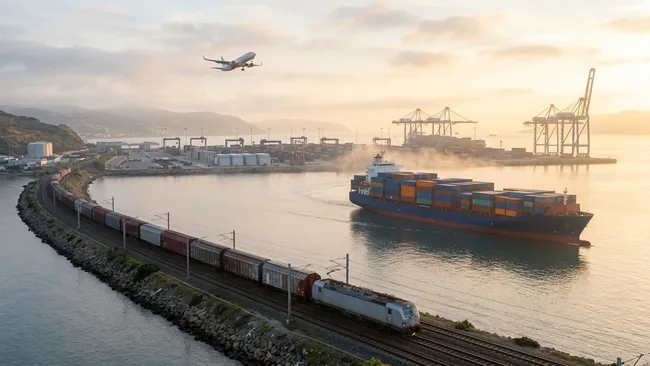
Cars, trains, ships and aircraft each solve the problem of moving people and goods with different technology and energy. This course introduces the transportation industry’s major technical challenges in a broad but quantitative way: energy and thermodynamics, internal combustion engines, road vehicle engineering, batteries, motors and electric and hybrid powertrains, urban and high-speed rail, ships and port operations, aircraft types, aerodynamics and engines, helicopters, radar, and navigation with GPS and GIS. Learners also complete a project on a subject of their choosing.
What You Will Achieve
- Compare the energy use of different transport modes using basic thermodynamics
- Explain how internal combustion engines and electric and hybrid powertrains work
- Describe the technology of rail, water and air transport
- Explain how radar, GPS and GIS support navigation
Program Overview
Energy and Road Vehicles
Engines, vehicle engineering and electrification.
- Energy in transportation and thermodynamics
- Internal combustion engines
- Road vehicle dynamics, powertrain and components
- Electric and hybrid vehicles
Rail and Water
Moving people and freight on rails and water.
- Fossil fuel and electric rail
- Urban and high-speed rail
- Water transport history and vessels
- Port operations
Air Transport and Navigation
Flight and finding the way.
- Aircraft types and fixed-wing aerodynamics
- Aircraft engines and helicopters
- Radar
- Navigation, GPS, GIS and modern mapping
Course Completion
Job Outlook
This survey supports work in transportation engineering, the automotive, rail, maritime and aviation industries, and transport policy.
Good for: Upper-level engineering students who want a quantitative overview of transportation technology across all modes.
Keep in mind: A spring 2011 course with lecture outlines, problem sets and exams with solutions; its view of electric vehicles and batteries reflects that time.
Bottom line: A broad, quantitative tour of how every major mode of transport works.
Frequently Asked Questions
Which transport modes are covered?
Road vehicles, including electric and hybrid cars, fossil fuel, electric, urban and high-speed rail, ships and ports, fixed-wing aircraft and helicopters.
Are there solved problems?
Yes. The problem sets and exams are published with their solutions, and the lecture outlines summarize each class with its topics and sub-topics.
Does it cover navigation?
Yes. A navigation module covers navigation itself, GPS, GIS and modern mapping techniques, after a session on radar.
User Reviews
Write your review
You must be logged in to post a review.
Reviews can only be posted by registered learners. Log in or create a free account, then you will return here to post.


There are no reviews yet.