
Nuclear Weapons in International Politics: Past, Present and Future
Course facts
- Payment: Free, no certificate
- Credits: Non Credit
- Learning style: Self-paced, start anytime
- Resources: Projects
MIT OpenCourseWare details
- As taught in: Spring 2009
- Department: Political Science

| Course Details | ||||||
|---|---|---|---|---|---|---|
|
||||||
| Outcomes | ||||||
|
||||||
| Price & Terms | ||||||
|
||||||
| Technical | ||||||
|
||||||
| Specification | ||||||
|
||||||

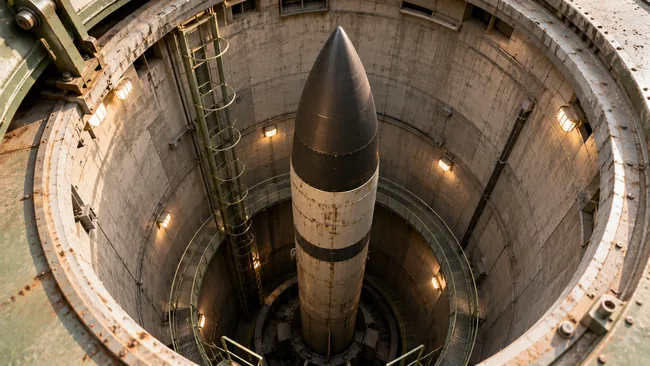
Analyzing nuclear weapons in world politics: design, delivery, force structure, proliferation decisions and terrorism, set out across 14 sessions.
Which countries seek the bomb, which give it up, and how much danger do today’s arsenals pose? This seminar gives you tools and methods for assessing such questions in international politics. It starts with the technology itself, moves through the weapons’ role in the Cold War and ends with decisions made beyond the original five weapon states.
What You Will Achieve
- Describe how nuclear weapons are designed and produced
- Assess nuclear force structures and model exchanges
- Compare why states pursue or forego nuclear weapons
- Write a long research paper on a nuclear policy topic
Program Overview
The Technology
The basics any analyst needs.
- What a nuclear weapon is
- How one is made
The Cold War Toolkit
Purpose, delivery and analysis.
- What the weapons are for
- Delivery and control
- Assessing force structure
- Modeling exchanges
Spread and Threats
Decisions and dangers beyond the first powers.
- Cases of countries that pursued or abandoned them
- Individuals and institutions in decision making
- Effects on international relations
- Nuclear terrorism
Course Completion
Job Outlook
These skills are relevant to security studies, arms control, defense policy and international relations research.
Good for: Graduate students and serious readers in security studies who want a structured way to analyze nuclear policy questions.
Keep in mind: Published material is just the session list, background and one sample paper, from 2009, with no readings or notes. Statements on specific countries reflect that year.
Bottom line: A sharp question-led outline of the field, useful mainly as a guide to what to study.
Frequently Asked Questions
What did students have to write?
A 20 to 30 page research paper on a relevant topic. One example is published, on nuclear disarmament in Latin America.
How technical does it get?
The first sessions look at the design and production of weapons, and later ones cover assessing force structures and modeling exchanges, though the main subject is international politics.
How is the class divided?
Two weeks on technology and production, five on the Cold War and the methods for analyzing it, and six on decision making beyond the original weapon states.
Please log in to report a problem with this page.

There are no reviews yet.