
Weight Training
Course facts
- Payment: Free, no certificate
- Credits: Non Credit
- Learning style: Self-paced, start anytime
- Resources: Demonstration Videos; Lecture Notes
MIT OpenCourseWare details
- As taught in: Spring 2006
- Department: Athletics, Physical Education and Recreation

| Course Details | ||||||
|---|---|---|---|---|---|---|
|
||||||
| Outcomes | ||||||
|
||||||
| Price & Terms | ||||||
|
||||||
| Technical | ||||||
|
||||||
| Specification | ||||||
|
||||||

A beginner’s weight training course: safe lifting and spotting, the muscles each exercise works, and how to plan a basic program.
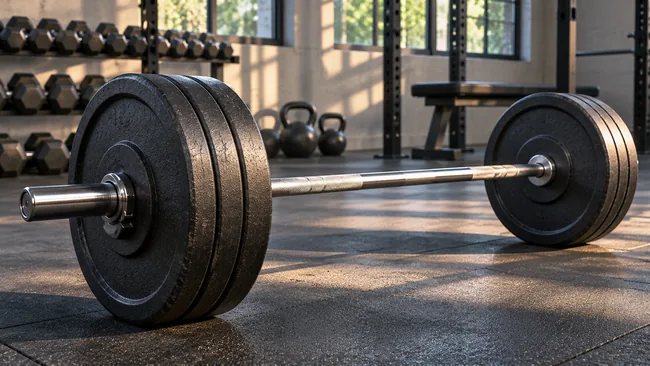
Weight rooms can feel intimidating to beginners, and lifting without proper technique risks injury. This short course is for novice lifters and for people who already lift but were never properly taught. It explains the biomechanics of each exercise and the muscles it works, covers safe lifting and spotting, the benefits of weight training and weight room etiquette, and shows how to build a basic program that fits your own fitness needs.
What You Will Achieve
- Perform the main upper and lower body lifts with safe technique
- Spot a partner correctly during a lift
- Identify the muscles a given exercise works
- Design a basic weight training program for your own goals
Program Overview
Learning the Lifts
Demonstration and practice of the core lifts.
- Complex lifts: press and squat
- Lower body lifts
- Upper body lifts
Training Practice
Applying the lifts in alternating workouts.
- Upper and lower body workouts
- Working with a lifting partner
- Feedback on technique
Maximum Effort Testing
Measuring strength safely.
- The squat
- The press and pull-down
- Safe technique for maximum lifts
Course Completion
Job Outlook
The basics are useful for personal fitness, and a starting point for anyone heading toward coaching or fitness instruction.
Good for: Beginners who want to start weight training safely and plan their own program.
Keep in mind: A spring 2006 physical education course of twelve sessions; the materials are lecture notes and demonstration videos, while the supervised lifting and testing took place in the weight room with instructor feedback.
Bottom line: A sensible, safety-first introduction to weight training for novices.
Frequently Asked Questions
Are there demonstration videos?
Yes. Demonstration videos show the lifts, alongside lecture notes on technique, biomechanics and program development.
What happens in the final sessions?
Maximum effort testing in three lifts, the squat, the press and the pull-down, with careful instruction on technique and safety.
How are the workouts organized?
Sessions five to ten alternate upper and lower body workouts done with a partner, with supervision and constant feedback on technique.

There are no reviews yet.