
Cathodic Protection Engineering
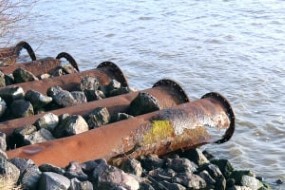

Corrosion engineering is important for protecting major infrastructure. This free engineering course breaks down anodic and cathodic protection and more.
Corrosion of engineering structures is inevitable and causes several issues that affect the economy, the ecosystem and people?s safety. This free online course deals with the external corrosion of buried and submerged engineering structures and how to control or prevent corrosion by employing cathodic protection. By completing this course, you will learn a lot about corrosion engineering and the basic principles of cathodic protection.
What You Will Learn In This Free Course
Introduction to Corrosion
In this module, you will be introduced to the corrosion of buried engineering structures. The forms of corrosion and control measures will be discussed. You will study the role of soil on corrosion and how they affect the external corrosion of pipelines. The differences between chemical and electrochemical reactions on corrosion will be examined.
Cathodic Protection Criteria and Survey
In this module, you will be introduced to cathodic protection criteria and their implication on corrosion. The merits and demerits of the criteria will be examined. You will also be taught how to conduct several surveys applicable to buried structures. The importance of anode ground beds and their roles in cathodic protection will be highlighted.
Diploma in Cathodic Protection Engineering – First Assessment
This assessment enables you to review your learning so you can determine your knowledge and understanding of modules 1 – 2 of the course. You must score 80% or more to pass this assessment.; Module
Anodes for Cathodic Protection
In this module, you will learn the cathodic protection of tanks, offshore structures, and ships. You will also study the functions, requirements, and roles of anodes in cathodic protection. Then you will be taught the electrochemical concepts applicable to the selection of rectifiers for cathodic protection, by means of four worked-out examples.
Other Corrosion Protection and Control Methods
In this module, the requirements, and types of protective coatings applicable to engineering pipelines will be discussed. You will also study the factors affecting oil, gas and water pipelines and their preventive measures. you will be introduced to the transformer rectifier unit, the principles of anodic protection and its application.
Diploma in Cathodic Protection Engineering – Second Assessment
This assessment enables you to review your learning so you can determine your knowledge and understanding of modules 4 – 5 of the course. You must score 80% or more to pass this assessment.; Module
Course assessment
User Reviews
Be the first to review “Cathodic Protection Engineering”
You must be logged in to post a review.



There are no reviews yet.