
Classical Music Class: Composer Maurice Ravel
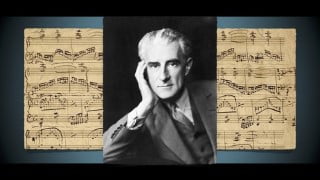

Discover the unique style and aesthetics of Maurice Ravel’s music, his connection to Impressionistic art, and his contribution to the evolution of musical elements. Deepen your understanding of melody, harmony, texture, form, and rhythm while exploring Ravel’s masterworks. This course is perfect for music lovers, beginners, intermediates, and musicians looking to broaden their knowledge and appreciation of Ravel’s music and its connection to art. No prior music reading skills required. Broaden your listening repertoire and gain a new perspective on Classical music.
What you’ll learn
- Understand Ravel’s musical style and his personal signature.
- Get to know some of the most unique masterworks that represent the Impressionistic style in music.
- Deepen your understanding of the aesthetics of music that transitioned us from the Romantic to the 20th century era.
- Broaden your knowledge on some of the fundamental elements in music, such as melody, harmony, texture, form, rhythm, and their evolution in Ravel’s music.
- Understand the connection between Ravel’s music to Degas, Renoir or Cezanne, and Impressionistic art.
This course explores the unique style and aesthetics of French composer Maurice Ravel, his personal and professional connection to leading artists such as Degas, Renoir or Cézanne, and their influence on his music. Through deep analysis of his music, we will explore Ravel’s contribution to the development and evolution of musical elements such as texture, melody, form, harmony and orchestration.
We will closely examine some of Ravel’s most beautiful music, such as ‘Conversation of Beauty and the Beast’ from the Five Pieces for Children — Mother Goose Suite, and the famous Bolero that was commissioned by the ballet dancer Ida Rubinstein.
We will discuss the various ideas that led Ravel to explore new sounds and directions in music such as the Czardash Hungarian dance, gypsy music, and Spanish tunes that we will hear in the Habanera movement from his Spanish Rhapsody for orchestra. We will discover influences on his musical language, and how they contributed to the transition and transformation of music from the Romantic aesthetics to the new and exotic sounds of the French Impressionism.
By the end of this course, you will have a better understanding of what Ravel’s music is all about, and new ways of listening to and understanding Classical music.
Who this course is for:
- Music lovers, beginners, intermediates, and musicians who would like to deepen their understanding of Ravel’s music; his aesthetics and personal musical signature.
- While the ability to read music can deepen your experience, it is absolutely not necessary. Beginners and intermediates are able to follow and enjoy the class equally. Music readers and musicians may be extra challenged using music scores.
- Students who are interested in music as well as art and the connection between them.
- This class is for you if would like to deepen your knowledge on the following: broaden your listening repertoire and familiarize yourself with some of the most beautiful ‘hidden’ jewels of Classical music, better understand the aesthetics of ‘Impressionistic’ music, learn/articulate your understanding of basic elements in music such as melody, harmony, texture, form, rhythm, and understand how and why music transitioned from the Romantic to the 20th century style.
User Reviews
Be the first to review “Classical Music Class: Composer Maurice Ravel”
You must be logged in to post a review.




There are no reviews yet.