
Features & Construction of Gas Turbines
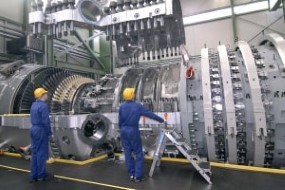

Study the construction and applications of gas turbines and the laws of physics governing these popular propulsion systems with this free online course.
This free online course takes you through the physics and propulsion principles discovered centuries ago that still drive modern gas turbines. We examine the components of a gas turbine and explain how their propulsion systems work. We cover Bernoulli?s principle, Boyle?s law, Charles? law and the stages of the convergent-divergent process. This course suits aspiring engineers or anyone interested in making the most of this clean energy.
What You Will Learn In This Free Course
Working Principles of Gas Turbines
In this module, you will be introduced to the components, advantages and disadvantages of a gas turbine, as well as laws and principles that apply to gas turbines. You will also be introduced to Bernoulli’s principles, Boyle’s law, Charle’s law, types of gas turbine cycles. As well as the types of gas turbine configurations which include: single-shaft, split-shaft and twin-spool turbines.
Construction and Components of Gas Turbines
In this module, you will be introduced to the constructional features, as well as materials used for the construction of gas turbines they include; special steels, titanium alloys and superalloys. You will also be introduced to the functions of axial flow and centrifugal compressors in gas turbine operations, the two main components of the axial compressor which are; rotor and stator blades>. Along with the types of combustion chambers and oil seals in a gas turbine.
Course assessment
User Reviews
Be the first to review “Features & Construction of Gas Turbines”
You must be logged in to post a review.



There are no reviews yet.