
Free Game Design Tutorial – Learn to create a 2D Racing car game for FREE PART 9.
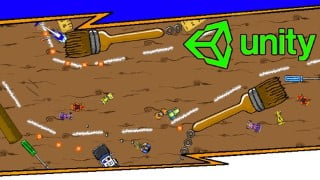

This beginner-friendly game design course covers everything from basic sprite sound effects to advanced AI path finding. Learn how to create a racing car game like the classic Micro Machines, complete with police officers shooting animation and realistic sound effects. Perfect for students aspiring to become game designers.
THIS COURSE WILL BE UPLOADED IN PARTS DUE TO VIDEO TIME RESTRICTIONS.
In my course we will start at the bottom and work our way up to advanced game design like AI path finding, we will be creating a car controller and many features with in our game.
This course is designed for beginner level and up as i will explain everything in best detail as i can, at the end of the course we will have made a racing car game like micro machines which in the 1980’s was an amazing car game.
In this part of the course you will learn
How to add sound to sprites
Road cones that get knocked over with sound effects
Setting up a police officers that shoots at you with animation
Using c# code to make the police work
Creating bullets for the police officer
Creating a muzzle flash effect for his gun
Adding police siren to his car
Adding bullet sound effect for his gun
Who this course is for:
- Students that want to learn to be a game designer.
User Reviews
Be the first to review “Free Game Design Tutorial – Learn to create a 2D Racing car game for FREE PART 9.”
You must be logged in to post a review.




There are no reviews yet.