
The Economics of Energy Transition
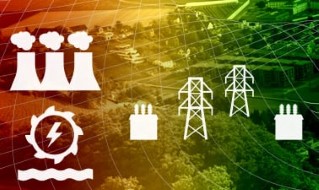

Learn about energy markets, economic policies, and technologies driving the energy transition. Gain insights to steer towards a sustainable future.
What you will learn
- The functioning of energy markets, with the European electricity markets as an example.
- The need for an energy transition and different economic approaches for achieving this.
- The economic tools and instruments necessary for stimulating the energy transition.
- To discuss energy transition policies and the regulations needed with policy makers and consumer organizations.
- Assess the effectiveness of economic policy measures in energy transition.
- EU targets to reduce have net zero carbon emissions by 2050 and to keep global temperatures below 2 degrees Celcius (European Commission).
- To meet these targets, the energy transition must expand the current energy infrastructure to encompass new insights into economic policy and new technologies.
- Such an expansion requires not only new jobs but also adapting those currently employed to understand energy market dynamics and how to deal with diverse policies affecting the investment climate in energy.
- Job growth includes: managers, economists and engineers entering companies such as service companies, grid operators and transmission system operators, government departments for energy policy and regulatory authorities.
Program Overview
With the energy transition on the top of the agenda within the energy sector, an efficient and sustainable energy system reliably serving customers is needed more than ever. This program aims to help strategic decision makers, economists, policy advisors and regulators as well as practicing and future engineers to obtain a deeper understanding of energy markets . You will learn how modern energy markets operate, the latest changes they are undergoing and the direction they are aiming towards for the future.
In order to realize how one can encourage change and develop an innovative energy policy, an understanding of the economics of energy systems and its current issues is essential. Therefore, in the first course you will get to grips with the fundamentals of the energy markets and what influences their design and regulation. The economic theory is explained and illustrated using the European electricity markets.
Using real life examples, we will dive into the complex energy system and understand the economic principles that drive it, the differing energy markets that exist, the important role of the electricity networks and how investment in the electricity sector is incentivized.
After the first step, it is time to start speculating about the future. How do we transition from the present market to what the European Union has envisioned for 2050?
In the second course you will learn about the economics of different renewable energy sources and other technologies that can aid this transition. You will examine the business cases of renewable energy sources and technologies that can aid energy transition, and government policies currently being used to promote their growth. Find out how the EU intends to decarbonize.
Insightful videos will teach you the driving factors behind European energy markets of both today and tomorrow. Interactive assignments will demonstrate how the merit order is chosen for different types of markets, applying the knowledge to many different scenarios. Live practice sessions will take you through the auctions and marketplaces where trading for electricity, carbon credits and government policy and subsidies for renewable energy takes place today, giving you invaluable knowledge on the inner workings of these markets.
All this content and more will be the building blocks for your conversations and discussions about the future of electricity markets in Europe. After this course, it will be you in the driving seat, impacting the market to steer us away from the fossil fuel-heavy technologies and encourage movement towards sustainable visions of the future.
Courses in this program
Energy Markets of Today
Understand the European energy market and the economic principles behind it.
The Transition to the Decarbonised Economy of Tomorrow
Dive into the economic strategies for promoting the energy transition: technologies, policies, pricing, emission trading and more.
Job Outlook
User Reviews
Be the first to review “The Economics of Energy Transition”
You must be logged in to post a review.



There are no reviews yet.