
Unity 3D – Procedural Mesh Generation – The Basics
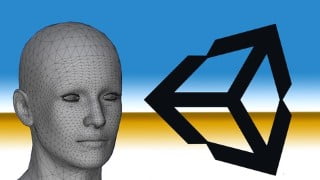

Learn how to generate a procedural mesh at runtime using C#. This course covers the basic concepts of meshes, building 2D shapes, handling visual aspects, applying UVs and normals. Perfect for beginner Unity developers and asset store developers looking to understand procedural mesh generation.
What you’ll learn
- How to generate a procedural mesh at runtime using C#.
- Learn the basic concepts of the Mesh
- Learn how to build the basic 2d Shapes.
- Learn how to handle the visual aspects of the Mesh
- Learn the concept behind the UVs and how to apply it to the Mesh
- Learn the concept behind the Normals and how to apply it to the Mesh
In this course you will learn the following skills:
1-Understand the concept of the Meshes at Unity 3D.
2-You will learn how to build your first Mesh using the minimum required code.
3-You will learn to create the basic 2D shapes (Triangles/Quad) using C#.
4-You will be introduced to the basic concepts of Mesh visualization.
5-You will learn the concept of the UVs and how to apply it in your code;
6-You will learn the concept of the Normals and how to apply it in your code.
Who this course is for:
- Beginner Unity developer curious about Generating a procedural Mesh using C#.
- Unity Asset store Developer who want to understand how to generate a procedural Mesh .
User Reviews
Be the first to review “Unity 3D – Procedural Mesh Generation – The Basics”
You must be logged in to post a review.




There are no reviews yet.