
Learn Japanese Cuisine by APCA chef online

Learn classic Japanese Cuisine, step-by-step sushi making, Teriyaki, dashi, Tempura, and udon. Master chef Shawn teaches 12 selected recipes, providing a comprehensive learning experience for those interested in Japanese cuisine. Discover the rich history and diverse flavors of traditional Japanese dishes, including rice-based meals, seafood, pickled vegetables, and simmered dishes. Explore the unique textures and flavors of soba noodles, miso soup, agedashi tofu, and gyoza. Indulge in the fusion of udon and Japanese curry, and savor the freshness of Japanese salad and sushi. Perfect for home cooks and enthusiasts seeking to enhance their culinary skills.
What you’ll learn
- Learn classic Japanese Cuisine
- Learn step by step sushi making
- Learn about Teriyaki
- Learn more about dashi, Tempura and udon
This program is taken by Master chef Shawn who have worked out 12 different selected recipes making a great menu.Each recipes is depicting a different technique and skill and combined together gives a great learning to students who wish to know more about Japanese cuisine
Japanese cuisine encompasses the regional and traditional foods of Japan, which have developed through centuries of political, economic, and social changes. The traditional cuisine of Japan is based on rice with miso soup and other dishes; there is an emphasis on seasonal ingredients. Side dishes often consist of fish, pickled vegetables, and vegetables cooked in broth. Seafood is common, often grilled, but also served raw as sashimi or in sushi. Seafood and vegetables are also deep-fried in a light batter, as tempura. Apart from rice, a staple includes noodles, such as soba and udon. Japan also has many simmered dishes such as fish products in broth called oden,
Hot and Cold Soba – The buckwheat nuttiness of soba noodles is a refreshing change from the mildness and softness of white flour pasta. Buckwheat noodles, or soba, are a staple in Japanese cuisine. Chewy with a grainy texture, they’re eaten hot, cold, or at room temperature. Because these cold soba noodles have such a grainy taste and texture, they’re perfect when paired with simple, clean flavors like soy sauce, sesame oil, and dashi.
Miso soup is a traditional Japanese soup consisting of a dashi stock into which softened miso paste is mixed. In addition, there are many optional ingredients that may be added depending on regional and seasonal recipes, and personal preference.
Agedashi Tofu (揚げ出し豆腐) is soft tofu coated with potato starch and deep-fried so that the outer shell is crispy. It is typically served with grated daikon, katsuobushi (bonito flakes), scallion, and grated ginger on top.
Dashi (だし, 出汁) is Japanese soup stock that builds the bases for many of your favorite Japanese dishes like miso soup, chawanmushi, ramen, and shabu shabu. It is the essence of authentic Japanese flavor, and it tells the dishes apart if other substitutions are being used in place of the soup stock.
Gyoza (餃子), or Japanese pan-fried dumplings, are as ubiquitous as ramen in Japan.
Japanese Curry Udon is a Japanese noodle soup. It was conceived as a mashup of traditional udon noodle soup with Japanese-style curry, but it’s since become one of the most popular udon dishes.
Japanese salad with Wafu Dressing (和風ドレッシング) refers to a salad dressing that consists of vegetable oil, rice vinegar, and soy sauce. Every household has a slightly different recipe for it and this is my version with grated onion to make it extra flavorful.
Japanese Sushi is a traditional Japanese dish of prepared vinegared rice, usually with some sugar and salt, accompanying a variety of ingredients, such as seafood, often raw, and vegetables. Styles of sushi and its presentation vary widely, but the one key ingredient is “sushi rice”, also referred to as shari, or sumeshi.
Tamagoyaki is a type of Japanese omelette, which is made by rolling together several layers of fried egg. These are often prepared in a rectangular omelette pan called a makiyakinabe or tamagoyakiki.
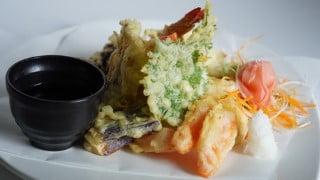
Japanese Mixed Tempura is a typical Japanese dish usually consisting of seafood, meat, and vegetables that have been battered and deep fried.
Salmon Teriyaki is an easy Japanese recipe and takes only 4 key ingredients. Serve the salmon with steamed rice and teriyaki sauce for a delicious salmon teriyaki bowl.
Japanese Beef steak with melted butter together with the low sodium soy sauce
Who this course is for:
- This program is suitable for home cooks and Enthusiasts
User Reviews
Be the first to review “Learn Japanese Cuisine by APCA chef online”
You must be logged in to post a review.





There are no reviews yet.