
How to Be Safe During Winter
Course facts
- Payment: Free to learn, certificate paid
- Credits: CPD Credits
- Learning style: Self-paced, start anytime
- Format: Video Based
- Video access: Streaming Only
- Refund: Conditional Refund

| Course Details | ||||||||
|---|---|---|---|---|---|---|---|---|
|
||||||||
| Languages | ||||||||
|
||||||||
| Outcomes | ||||||||
|
||||||||
| Price & Terms | ||||||||
|
||||||||
| Technical | ||||||||
|
||||||||
| Specification | ||||||||
|
||||||||

Learn to dress for the cold, prevent carbon monoxide poisoning, give first aid for frostbite and hypothermia, and drive safely on icy roads.

Freezing temperatures, snow and ice bring their own threats to health and safety, including hypothermia, frostbite, slips and falls, and carbon monoxide poisoning. Strenuous jobs such as clearing snow can trigger a heart attack, and icy roads change how a vehicle handles. The lessons set out practical ways to dress for the cold, keep a home safe and stop its pipes freezing, support mental health and manage seasonal affective disorder, and prepare a winter emergency plan.
What You Will Achieve
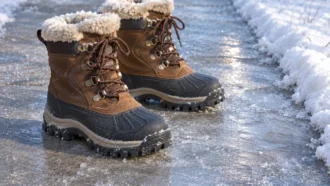
- Dress for freezing weather with suitable footwear and protective winter accessories
- Recognize hypothermia, frostbite and heart attack signs, and give first aid for cold injuries
- Protect a home with carbon monoxide detectors, safe heating and steps that stop pipes freezing
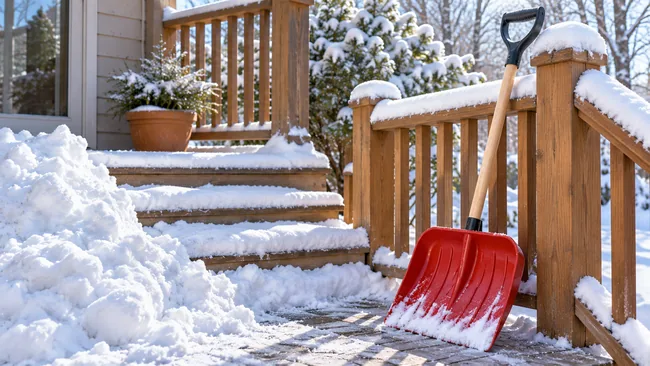
- Clear snow with less strain and regain control of a vehicle that skids on ice
Program Overview
Winter Weather Hazards and Safety
Covers the main health risks of cold weather, home and heating safety, first aid for cold injuries, and safe habits outdoors and on the road.
- Cold weather safety, clothing, nutrition and hydration
- Slips, falls and carbon monoxide poisoning
- Mental health and seasonal affective disorder
- Winter sports, driving and emergency planning
Certificate Awarded (Paid)
Pass the final course assessment to earn it. The course is free to study; the certificate is optional and has a fee.
Job Outlook
Winter safety knowledge supports health education and community outreach in places with cold seasons, and it helps anyone who clears snow, heats a home or drives on icy roads.
- Health Educator
- Community Health Worker
Good for: Households, drivers and people who enjoy outdoor winter activities and want practical cold-weather safety habits for home, outdoors and the road.
Keep in mind: Despite its advanced label it covers everyday basics, and its first aid lessons are video only, so hands-on training is worth adding.
Bottom line: It gathers home, health, snow clearing and winter driving precautions for the cold months into one practical set of lessons.
Frequently Asked Questions
What does the course say about seasonal affective disorder?
Alongside the physical risks of winter, the lessons offer strategies to support mental health and manage seasonal affective disorder during the winter season, and they stress the role of good nutrition and hydration in cold weather.
Which winter driving skills are taught?
The driving material looks at how icy conditions change the road, how to prepare a vehicle for winter, and how to handle skids and slides to regain control. It closes with building an effective winter emergency plan.



There are no reviews yet.