
Elements of Design and Composition
Course facts
- Payment: Subscription
- Credits: Non Credit
- Learning style: Self-paced, start anytime
- Format: Video Based
- Video access: Offline Download (App)
- Refund: Conditional Refund

| Course Details | ||||||||
|---|---|---|---|---|---|---|---|---|
|
||||||||
| Languages | ||||||||
|
||||||||
| Outcomes | ||||||||
|
||||||||
| Price & Terms | ||||||||
|
||||||||
| Technical | ||||||||
|
||||||||
| Specification | ||||||||
|
||||||||

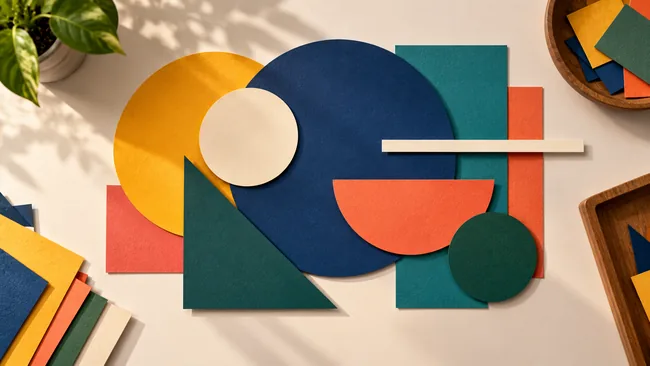
Learn design composition: texture, space and perspective, balance and scale, symmetry, contrast, and pattern in visual and brand design.

Strong visual design comes from controlling how the eye reads depth, weight, and rhythm on a page. This short beginner course looks at texture in fine and digital art, built from images, lines, shapes, typography, and layered colors, and at space through foreground, middleground, background, and perspective. It then covers composition: balance and scale with visual weight, symmetry, and asymmetry, and contrast and pattern in brand design, including dot, line, and grid patterns and custom patterns.
What You Will Achieve
- Create texture with images, lines, shapes, typography, and layered color
- Build depth with foreground, middleground, background, and perspective
- Balance a composition through visual weight, symmetry, and asymmetry
- Use contrast and custom patterns in brand design
Program Overview
Texture and Space
Creating a sense of touch and depth.
- Texture in fine and digital art
- Foreground, middleground, background, and perspective
Composition
Arranging elements for harmony and interest.
- Balance, scale, and visual weight
- Symmetry and asymmetry
- Contrast and dot, line, and grid patterns
Certificate Awarded
Complete the lessons to earn it.
Job Outlook
Graphic designers, brand designers, and marketers use composition principles to create visuals that read clearly.
Good for: Beginners in visual design who want to understand texture, depth, and composition.
Keep in mind: It continues the Elements of Design course with different topics, and it has no project.
Bottom line: A short, clear introduction to the composition principles behind effective visual design.
Frequently Asked Questions
What is visual weight?
How strongly an element draws the eye, which the balance and scale lesson uses to create harmony through balance and counterbalance.
Which kinds of patterns are covered?
Dot, line, and grid patterns as the components of patterns, followed by creating custom patterns for brand design.
How is depth created in a flat design?
Through space: foreground, middleground, background, and perspective, which the course uses to recreate depth with basic design elements.



There are no reviews yet.