
Cross-Docking & How it Works?
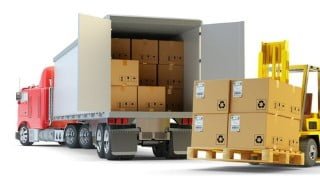

Learn about cross-docking in logistics, its types, appropriateness, shape, location, and layout modeling. Discover how it benefits large organizations in efficiently moving goods across vast areas. Perfect for beginners in supply chain management.
What you’ll learn
- Understand, what is cross-docking, types, appropriateness,
- shape, location,
- layout
- modelling
What Is Cross-Docking?
Cross-docking is the method in logistics of moving materials and goods from an incoming truck or train car and loading them directly into outbound vehicles. Effectively it is receiving incoming goods and unloading those and then directly loading them into outgoing vehicles. The purpose of using cross-docking can be because it helps to sort material that is going to different endpoints or points of consumption. It can also be used to combine different products from different origins into transport vehicles with the same destination. Since then it has been used in a wide variety of areas such as the military, food products, and e-commerce.
Obviously, cross-docking is a specific method and is generally used by very large organizations that are moving a large variety of goods across vast areas. So cross-docking will not be used by all warehouses but it is always good to understand when it is needed and when it can be beneficial. In summary, cross-docking can work very well if it used in the correct logistics context. Using this method of improving product transportation doesn’t work for every type of product delivery but can provide great benefits in large logistics networks which are covering huge areas.
Who this course is for:
- Beginner Supply chain management
User Reviews
Be the first to review “Cross-Docking & How it Works?”
You must be logged in to post a review.





There are no reviews yet.