
F5 LTM Design, Deployment, Configuration and Management
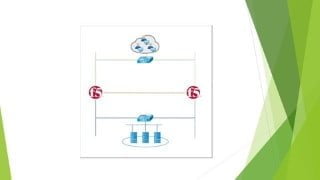

Learn how to design, configure, and operate F5 LTM for scalable and high availability applications. Ideal for network engineers and application administrators.
What you’ll learn
- Understanding F5 LTM Design Topologies and Common Use Cases
- F5 LTM Design Information Requirements; and Provisioning new F5 LTM with VLANs, Interfaces, Self-IPs and Common Services and Routing
- Configure Applications including Nodes, Pools, Load Balancing, VIPs, NAT, Persistent Profiles, SSL/TLS certificates, Irules and IP Forwarding
- Operate F5 LTM Platform Including Managing Node, Pool Members, VIP Status, Logs, Statistics and Platform Performance
- Maintain F5 LTM Platform Including Backup & Restore System Configuration, System Upgrade and Rollback
- Design and Implement HA Active-Standby Cluster
In this course, we will cover the following topics:
F5 Common Design Topologies
Inline ( Two-Arm)
One Arm ( One VLAN or link)
One Arm ( Two VLANs or 2 Links)
Sandwich
Comparation of pros and cons among these topologies and their use cases
F5 Deployment
Requirements: Cabling design, VLANs, IP Address scheme allocation and Common services details
Initial setup: Licensing, resource provisioning, Implement network, interfaces and configure Common services like DNS, NTP, Syslog, SNMP for monitoring
Routing: requirement of routing for client facing, server facing and inline network.
Applications Configuration
Configure Nodes, different type of health monitors to appropriately monitor applications,
Configure Pools and pool members for different services,
Apply Load Balancing methods and verify its function via end user application access,
Configure different VIPs for applications,
Automap (NAT) use cases,
Import SSL/TLS certificates and configure SSL/TLS profiles,
Configure iRules to redirect application from non-secure access to secured access
Management and Monitor
Monitor System performance including CPU usage, Memory utilization, Active connection, connection rate and throughput
View Logs to identify administrator’s activities as well as application events
Nodes, Pools, VIPs status and Statistics
Configure Backup of system and Restore backup configuration
Demonstrate of System Upgrade the platform to a new version and Rollback to previous version
Design HA Active/Standby cluster
Configure ConfigSync, Failover network, Mirroring
Verify configuration synced between active and standby
Who this course is for:
- Network Engineers, Server and Application administrators who operate and maintain scalable applications fronted by F5 LTM
- Network Designers and Application Designers who work on designing scalable and high availability applications
- Students and graduates who would like to start a career in design and operate flexible and high performance application delivery network
User Reviews
Be the first to review “F5 LTM Design, Deployment, Configuration and Management”
You must be logged in to post a review.



There are no reviews yet.