
General Data Protection Regulation | Data Protection | EU law

0
Certificate

Paid

Language

Level

Intermediate

Access

Free

Last updated on May 5, 2026 7:09 pm

The GDPR comes into effect from 25th May 2018, and organisations must comply with its provisions around data protection.

Add your review

This free online General Data Protection Regulation (GDPR) course will teach you everything you need to know about European data protection regulations. Data protection regulations can be difficult to correctly understand and apply, however, any company that fails to meet GDPR compliance can be fined for up to ?20 million. This free online course will teach you everything you need to know about GDPR to protect yourself from financial loss.

What You Will Learn In This Free Course

  • Explain the purpose of the General D…
  • Describe what organisations can do t…
  • Explain the role of the Data Protect…
  • Describe personal data security guid…
  • Explain the purpose of the General Data Protection Regulation (GDPR)
  • Describe what organisations can do to prepare for the GDPR
  • Explain the role of the Data Protection Officer (DPO) in the GDPR
  • Describe personal data security guidance for microenterprises
  • List and explain five steps organisations can implement to secure cloud-based environments
  • Explain how the GDPR affects the private individual and their data protection rights
  • User Reviews

    0.0 out of 5
    0
    0
    0
    0
    0
    Write a review

    There are no reviews yet.

    Be the first to review “General Data Protection Regulation | Data Protection | EU law”

    ×

      Your Email (required)

      Report this page
      General Data Protection Regulation | Data Protection | EU law
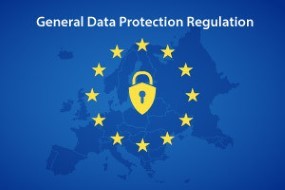
      General Data Protection Regulation | Data Protection | EU law
      LiveTalent.org
      Logo
      LiveTalent.org
      Privacy Overview

      This website uses cookies so that we can provide you with the best user experience possible. Cookie information is stored in your browser and performs functions such as recognising you when you return to our website and helping our team to understand which sections of the website you find most interesting and useful.