
ICLONE FILM SCHOOL Animating In Hollywood Format
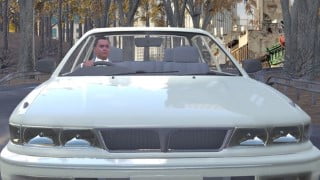

Learn how to write and structure your animations in the professional way seen on TV. Discover the importance of the first 1 minute and 30 seconds of a TV series, how to create a TV series intro, and the significance of the opening scene. Understand the differences between creating a 30-minute TV series with commercial breaks and a 1-hour long TV formatted series. This advanced course is intended for aspiring filmmakers and 3D animators familiar with animation techniques. Utilizing Iclone 7, explore photorealistic and non-photorealistic cinematic filmmaking, including techniques for achieving a beautiful toon look and lighting characters of different complexions.
What you’ll learn
- Writing An Animation For Television Vs FILM Format
- Directing An Animation For Television Vs FILM Format
- The First 5 Minutes In Film Production – Why this is very important
- The First 1 Minute and 30 Seconds of Your TV Series – Learning Hollywood TV Format
- How to Write and Direct a Great Opening Scene For Your Animation
- Making a Toon Style Animation vs Photorealistic Renders
- How To Properly Light Various Skin Tones when Creating a Toon Style Render
- Photorealistic Cinematic Filmmaking vs non photorealistic Cinematic Filmmaking
Hi, Welcome to the ICLONE FILM SCHOOL 2022 Edition! Animating In The Hollywood Format!!
In this course, we will, in detail, go over how to WRITE and STRUCTURE your animations in the professional way you see animations done on Television.
You will learn the importance of the first 1 minute and 30 seconds of a TV series.
You will learn how to make a TV series Intro and how many seconds your TV intro should be, according to Hollywood standards.
You will learn the importance of the opening scene and how to animate a great opening scene to set up the story.
You will learn the importance of the first 5 minutes and how to set up the next 15 minutes of your story.
You will learn difference between creating a 30 minutes TV series taking into account commercial breaks.
Vs. Creating a 1 hour long TV formatted series.
You will also learn the difference between writing an animation for TV vs. Film. Structuring the first 5 minutes of a film.
—————————————————————————————————————————————–
—————————————————————————————————————————————–
WHAT THIS COURSE IS NOT:
– I will be providing you with a lot of examples teaching you HOLLYWOOD formatting.
– This is an advanced course intended for those who already know how to animate. This course will not teach you how to animate step by step. If you are looking for an animation course, please purchase my other Film Course which goes over How to PRE-VIZ in ICLONE 7 step by step.
SOFTWARE INTERACTION:
– Using Iclone 7, I will show you photorealistic cinematic film making vs non photorealistic cinematic film making
– In this course, we will be using Iclone 7 as our primary animation tool when we get to the section on creating non photorealistic toon animations instead of using a photorealistic render style.
– I will teach you all the techniques i use to achieve a beautiful toon look in iclone 7.
– I will also teach you how to light your toon renders in iclone 7 when working with characters of different complexions.
Who this course is for:
- Aspiring Film Makers and 3D animators
User Reviews
Be the first to review “ICLONE FILM SCHOOL Animating In Hollywood Format”
You must be logged in to post a review.



There are no reviews yet.