
Introduction to the economics of public services regulation
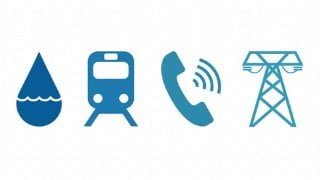

Learn how to regulate essential public services effectively with this course. Understand the economic tools and principles behind regulation in infrastructure industries. Suitable for economics and public policy students, regulators, NGOs, and concerned consumers. Gain insights into the ongoing policy debates and develop your own view on desirable regulatory policies. Perfect for project finance specialists dealing with regulatory issues.
What you’ll learn
- Understand WHY key essential public services need some regulatory supervision
- Learn HOW to think through the regulatory needs as an economist
- Have a good sense of HOW to regulate WHAT and WHEN
- Learn the core dimensions of the basic ECONOMIC TOOLS of regulation as they are used in the real world when regulation is taken seriously by the authorities
This course focuses on how best to regulate (public or private) firms responsible for the delivery of what are commonly viewed as public services in the context in which the service providers enjoy significant market power. The lectures get into both the theory and the practice of regulation. The main illustrations of the concepts are from the infrastructure industries (airports, energy, rail, roads, ports, telecoms, water and sanitation). These sectors represent investments and maintenance expenditures of 5-20% of GDP (depending on the level of development of the country) and are major contributors to the growth capacity of countries and of their competitiveness. . They also represent a very large share of the required spending of every household. The poorer the household, often, the higher the share it needs to spend on these public services. Finally, because of the high amounts invested in the sector and the large size of many of the projects required, these services are quite exposed to corruption risks. This is why these services are so politically sensitive and why governments, non-governmental organization and other stakeholders spend a lot of energy debating how best to regulate them.. By the end of the class, you will see that the key issues you’ll learn are representative of many of the trade-offs covered in the ongoing policy debates and you should be able to develop your own view on what desirable regulatory policies and institutions should be in public services, and probably more generally.
Who this course is for:
- Economics students (3rd years BA and, as a complement to more technical classes 1st year MA), Public policy students
- Regulators and their advisors
- NGOs
- Regulated firms
- Concerned residential and non-residential consumers
- Members of regional, national and supranational parliaments
- Economics students
- Public policy students
- Project finance specialists concerned with regulatory issues
User Reviews
Be the first to review “Introduction to the economics of public services regulation”
You must be logged in to post a review.




There are no reviews yet.