
Metallurgical Engineering
Metallurgical Engineering courses delve into the atomic structure and physical properties of metals, teaching professionals how to extract, refine, and alloy materials to create everything from lightweight aerospace components to colossal steel infrastructure.
Showing all 2 resultsSorted by latest

Frequently Asked Questions about Metallurgical Engineering Courses
1. What is the difference between Metallurgical Engineering and Materials Science?
Metallurgical Engineering is a specialized subset of Materials Science. While Materials Science covers all materials—including polymers (plastics), ceramics, and composites—Metallurgical Engineering focuses exclusively on metals and alloys. It goes much deeper into the processing, extraction, and industrial application of metallic elements.
2. Is this field relevant for the tech industry?
Yes, extremely relevant. The tech industry relies on rare earth metals and conductive materials for microchips, batteries, and screens. Metallurgical engineers are critical for developing the refining processes to obtain high-purity silicon and for recycling valuable metals from electronic waste (e-waste).
3. What is “Heat Treatment” and why is it important?
Heat Treatment is the process of heating and cooling a metal to alter its physical properties without changing its shape. Common techniques include annealing, quenching, and tempering. It is important because it allows engineers to tailor a metal’s hardness or flexibility for a specific use, like making a knife blade hard enough to hold an edge.
4. What is “Extractive Metallurgy”?
Extractive Metallurgy is the science of removing valuable metals from their ore and refining the extracted raw metals into a purer form. You learn about physical separation (crushing/grinding) and chemical extraction methods (leaching/smelting). It is the primary link between a mine and a manufacturing plant.
5. How does this field address sustainability?
Sustainability is a major focus, particularly in recycling. Metallurgical engineers design processes to melt down and repurpose scrap metal, which uses significantly less energy than mining new ore. Courses also cover “Green Steel” initiatives, which aim to use hydrogen instead of coal in the smelting process to reduce carbon emissions.
6. What is a “Phase Diagram”?
A Phase Diagram is a graphical representation of the physical states of a substance under different conditions of temperature and pressure. In metallurgy, it is the fundamental “map” used to predict what structure an alloy will have at a given temperature, helping engineers design stable and effective metal mixtures.
7. What is “Corrosion Engineering”?
Corrosion Engineering involves designing systems to prevent environmental damage to metals, such as rust. You learn about cathodic protection, coatings, and selecting corrosion-resistant alloys. This is vital for industries like marine engineering and oil and gas, where infrastructure is exposed to harsh elements.
8. Can I work in the automotive industry?
Yes, the automotive industry is a massive employer of metallurgical engineers. They work on developing lightweight aluminum and high-strength steel alloys to improve fuel efficiency and crash safety. They also play a key role in manufacturing processes like casting engine blocks and welding chassis frames.
9. Is welding covered in these courses?
Yes, welding metallurgy is a specific topic that explains what happens to the metal’s structure at the molecular level when it is melted and fused. Understanding the “Heat Affected Zone” (HAZ) is critical for ensuring that a weld doesn’t become a weak point in the structure.
10. What is “Failure Analysis”?
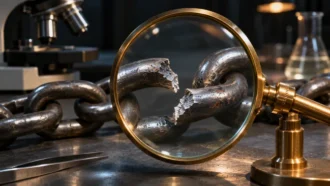
Failure Analysis is the forensic investigation of why a metal component broke. You learn to identify failure modes like fatigue, brittle fracture, or creep by examining the fracture surface under a microscope. This feedback loop helps engineers design safer and more reliable parts in the future.