
Façade design and engineering: complexity made simple
Course facts
- Payment: Free to learn, certificate paid
- Credits: Non Credit
- Learning style: Self-paced, start anytime
- Format: Video Based
- Before you start: Background in Architecture, Civil Engineering or similar preferred but not required to enroll in the course.
edX details
- Pacing: Self-paced
- Available until: Jun 30, 2027

| Course Details | ||||||||
|---|---|---|---|---|---|---|---|---|
|
||||||||
| Languages | ||||||||
|
||||||||
| Outcomes | ||||||||
|
||||||||
| Price & Terms | ||||||||
|
||||||||
| Technical | ||||||||
|
||||||||
| Specification | ||||||||
|
||||||||

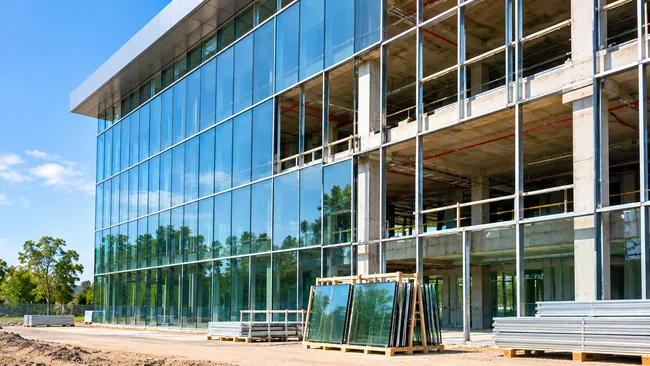
Learn how façade systems, materials, details and tolerances shape a building’s energy use, sustainability and comfort, with visits to building sites and makers.

Façade design and engineering govern the boundary between outside conditions and the indoor climate, and with it a building’s energy use, sustainability, comfort and appearance. You study the technology behind the building envelope: its construction systems, materials, detailing and tolerances, its lines of defense against air, wind and water, and the processes on site. The aim is to explain façade design decisions and their effect on overall building performance, and to keep control of design, engineering and budgeted construction costs.
What You Will Achieve
- Explain how façade design decisions affect a building’s energy efficiency, sustainability and comfort
- Compare façade technologies and materials by their potential and shortcomings in a given context
- Build the lines of defense against air, wind and water systematically into a façade design
- Recognize structural demands and tolerances and account for them when developing a façade
Program Overview
Principles and Systems of Façades
Sets out what a building envelope does and how the main façade systems are built, with particular attention to energy, sustainability and circularity.
- Functions and design strategies of the building envelope
- Energy, sustainability and circularity
- Monolithic walls and double-skin façades
- Stick and unitized curtain-wall systems
Façade Materials, Details and Tolerances
Looks at how materials are produced and applied as façade components, then turns to detailing, structural requirements and movement in different systems.
- Production processes and material performance
- Detailing strategies and structural requirements
- Movement and tolerances
- Engineering and structural testing on working sites
Complex Façades and Iconic Buildings
Studies iconic buildings to show how their design motivations shaped the engineering strategies and systems chosen during design and construction stages.
- Design motivations behind iconic buildings
- Engineering strategies during design and construction stages
Certificate Awarded (Paid)
Complete the course to earn it. The course is free to study; the certificate is optional and has a fee.
Job Outlook
Façade knowledge is put to work in architecture firms, engineering practices, façade manufacturing companies and on building sites, wherever building envelopes are designed, tested or built.
Good for: Architects, civil engineers and building professionals who want a practical grounding in how façades are designed, engineered and built.
Keep in mind: It gives a first insight into façade engineering; the site, firm and factory visits arrive as video, so hands-on work with components has to come from practice.
Bottom line: A grounded look at façade technology that leans on visits to building sites, firms and manufacturers and closes with a study of iconic buildings.
Frequently Asked Questions
Which façade systems does the course compare?
It works through monolithic walls, curtain walls in both stick and unitized form, and double-skin façades. For each, you look at the main construction principles and components, then weigh advantages and disadvantages to judge where the system suits a project.
Does the course show real building sites and manufacturers?
Yes. Lessons include visits to building sites, architecture firms, local experts and manufacturing companies, so the technical information comes directly from practice. One part shows how general engineering and structural testing of components and systems is carried out on working sites.
How does sustainability fit into the course?
The opening module places particular emphasis on how façades relate to energy, sustainability and circularity. The materials module then assesses how material choices affect the functions and general performance of the envelope, linking those choices back to the building as a whole.
Who designed the course content?
It was designed by the founding members of TU Delft's Architectural Façades & Products Research Group, in association with the European Façade Network of ten European institutions with façade education programs. U. Knaack and M. Bilow, architects and educators in the field, lead it.
Please log in to report a problem with this page.


There are no reviews yet.