
Molecular Structure of Biological Materials (BE.442)
Course facts
- Payment: Free, no certificate
- Credits: Non Credit
- Learning style: Self-paced, start anytime
- Resources: Lecture Notes; Presentation Assignments with Examples; Written Assignments with Examples
- Before you start: 5.07, or 7.05 and permission of instructor.
MIT OpenCourseWare details
- As taught in: Fall 2005
- Department: Biological Engineering

| Course Details | ||||||
|---|---|---|---|---|---|---|
|
||||||
| Outcomes | ||||||
|
||||||
| Price & Terms | ||||||
|
||||||
| Technical | ||||||
|
||||||
| Specification | ||||||
|
||||||

Molecular principles of silk, bone, shells and adhesives, and how to design new materials, with lecture notes, a take-home exam and sample proposals.
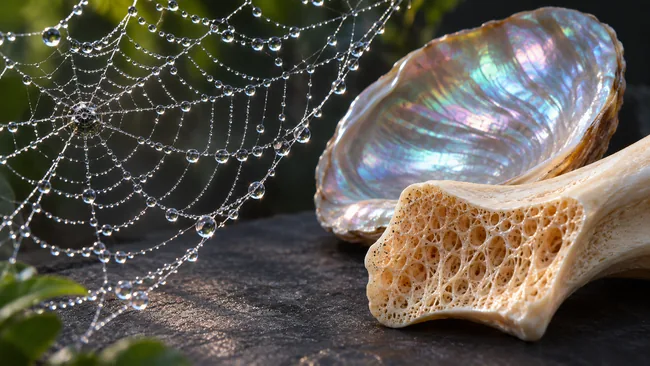
Spider silk, shells, bones and protein glues are all built on molecular principles that engineers can learn and reuse. This class for graduate and upper-level undergraduate students teaches those principles, using materials of biological origin as examples. Its long-term goal is the molecular design of new biological materials, and it also weighs their history and social impact.
What You Will Achieve
- Explain primary and secondary protein structures
- Describe helices, coiled coils and beta sheets
- Compare methods such as X-ray crystallography and NMR
- Apply structural principles to design new biological materials
Program Overview
Building Blocks
Water, amino acids and protein structure.
- The role of water and hydration
- Chemical and physical properties of amino acids
- The Ramachandran plot
- Helical coiled coils and beta sheets
Tools and Natural Materials
Looking closely at what nature makes.
- Single crystal X-ray crystallography
- Silk and bioadhesives
- Biomineralization in sea creatures, bones and teeth
Designing New Materials
Applying the principles.
- Self-assembly of DNA and RNA
- DNA molecular machines
- Fluorescent proteins
- Self-assembling peptide systems
Course Completion
Job Outlook
These skills are relevant to biomaterials research, protein engineering, nanotechnology and biological engineering.
Good for: Biological engineering and materials students who want to understand how natural materials are put together and how to design new ones.
Keep in mind: The class dates from 2005, so the research examples are older. It leans on the Branden and Tooze textbook and many journal papers, and no recordings of its guest lectures are listed.
Bottom line: A rich tour of natural materials, grounded in structure and pointed toward design.
Frequently Asked Questions
What is the main assignment?
You choose between an original research proposal and a summary review of research literature. A 2003 example proposal, on amino acid binding at surfaces, is provided.
Is there an exam?
One take-home midterm. The exam with example answers is published, and a 2004 take-home exam is included for study.
What textbook is required?
Introduction to Protein Structure by Carl Branden and John Tooze, second edition. Students also read many papers from the scientific literature.


There are no reviews yet.