
Allied Health Specialities
Allied Health Specialities courses train the essential clinical professionals who work alongside doctors and nurses, providing specialized therapeutic, diagnostic, and preventive care to optimize patient recovery and quality of life.
Read More
- Key Skills:
- Patient rehabilitation, diagnostic imaging, therapeutic exercise, nutritional planning, audiology assessments, clinical communication, interdisciplinary care.
- Top Providers:
- NPTEL+, MIT OpenCourseWare
Subcategories
- Nursing:
- Prepares frontline caregivers to assess patient needs, administer treatments, and provide emotional support in hospitals, clinics, and community settings.
- Physiotherapy:
- Focuses on the science of movement, teaching professionals to diagnose physical impairments and treat them through exercise, manual therapy, and rehabilitation techniques.
- Occupational Therapy:
- Enables patients to participate in daily life activities despite physical or mental limitations, focusing on adapting the environment or task to fit the person.
- Audiology:
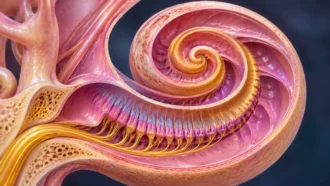
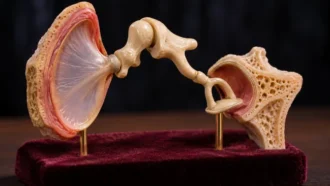
- Deals with the prevention, diagnosis, and treatment of hearing and balance disorders, often involving the prescription of hearing aids and cochlear implants.
The Pillars of Modern Healthcare
Allied Health professionals make up approximately 60% of the healthcare workforce, serving as the connective tissue of the medical system. While doctors often focus on diagnosis and surgery, allied health specialists focus on rehabilitation and long-term management. Education in this field is intensely practical and patient-centered. Learners study anatomy and physiology to understand how the body works, but also psychology to understand how patients cope with illness. For example, a physiotherapist doesn’t just fix a knee; they motivate a patient to walk again.
The field is rapidly integrating technology to improve outcomes. Telehealth platforms allow speech pathologists to conduct sessions remotely, while 3D printing is used by prosthetists to create custom limbs. Courses now emphasize “Interprofessional Practice,” teaching students how to collaborate effectively within a care team. A stroke patient, for instance, requires a coordinated plan involving a physical therapist for movement, an occupational therapist for daily tasks, and a speech therapist for swallowing. Mastering this collaborative approach is essential for delivering the holistic care that defines modern medicine.
Who Should Enroll?
- Aspiring Therapists: Individuals drawn to hands-on patient care who want to specialize in a specific area like movement, speech, or nutrition.
- Career Switchers: Professionals from fitness or education backgrounds looking to pivot into a stable, high-growth healthcare career.
- Caregivers: Family members seeking professional training to better support loved ones with disabilities or chronic conditions.
- Medical Assistants: Support staff looking to upskill and gain licensure in a specialized technical field like radiology or phlebotomy.
Enroll in an Allied Health Specialities course today to gain the specialized skills that empower patients to recover, adapt, and thrive.
Showing all 4 resultsSorted by latest


Frequently Asked Questions about Allied Health Specialities Courses
1. What is the difference between a Nurse and an Allied Health Professional?
Nursing is a distinct profession focused on continuous patient care and medication administration. Allied Health is an umbrella term for other clinical specialists like physical therapists, dietitians, and radiographers who provide specific diagnostic or therapeutic services. Both work closely together but have different training and scopes of practice.
2. Do I need a license to practice?
Yes, almost all Allied Health professions require state or national licensure to practice clinically. Online courses can provide the theoretical foundation and are often used for Continuing Education Units (CEUs) to maintain a license, but initial licensure usually requires an accredited degree and supervised clinical hours.
3. Can I become a Physiotherapist online?
You cannot become a licensed Physiotherapist entirely online because the job requires extensive hands-on physical training. However, many “hybrid” programs allow you to take the lecture portions (anatomy, physiology, pathology) online, requiring you to attend campus only for practical labs and clinical rotations.
4. What is “Occupational Therapy” (OT)?
Occupational Therapy helps people of all ages participate in the things they want and need to do (their “occupations”). This could be helping a child with autism learn to tie their shoes, or helping an elderly stroke survivor learn to cook safely again. It focuses on adapting the task to the person.
5. Is “Nutrition” considered Allied Health?
Yes, Dietitians and Nutritionists are key Allied Health professionals. They use the science of food to manage diseases like diabetes and heart disease. Courses cover biochemistry, metabolism, and behavior change counseling to help patients make sustainable lifestyle choices.
6. What are the math requirements?
Math requirements vary by specialty but generally include statistics and algebra. You need to understand data to read research papers (Evidence-Based Practice) and perform calculations for dosages or equipment settings. It is less math-heavy than engineering but requires functional numeracy.
7. What is “Speech-Language Pathology”?
Speech-Language Pathology (often called Speech Therapy) involves diagnosing and treating communication and swallowing disorders. It helps stroke victims regain speech, children overcome stutters, and patients with dementia maintain communication. It is a diverse field covering both mechanics (swallowing) and linguistics.
8. How do these courses address aging populations?
With a globally aging population, Gerontology is a major focus. You learn about the specific physiological changes of aging, fall prevention strategies, and cognitive decline. Allied Health professionals are the primary providers helping seniors maintain independence in their own homes for as long as possible.
9. What is “Diagnostic Imaging”?
Diagnostic Imaging (or Radiography) involves using technology like X-rays, MRI, and CT scans to look inside the body. Technologists are Allied Health professionals trained to operate this sophisticated machinery safely and position patients to get clear images for doctors to analyze.
10. What are the career prospects?
Career prospects are exceptional. The Bureau of Labor Statistics consistently ranks Allied Health roles (like Physical Therapy Assistants and Occupational Therapy Assistants) among the fastest-growing jobs. The combination of an aging population and advancements in medical technology ensures steady demand for these specialized skills.